
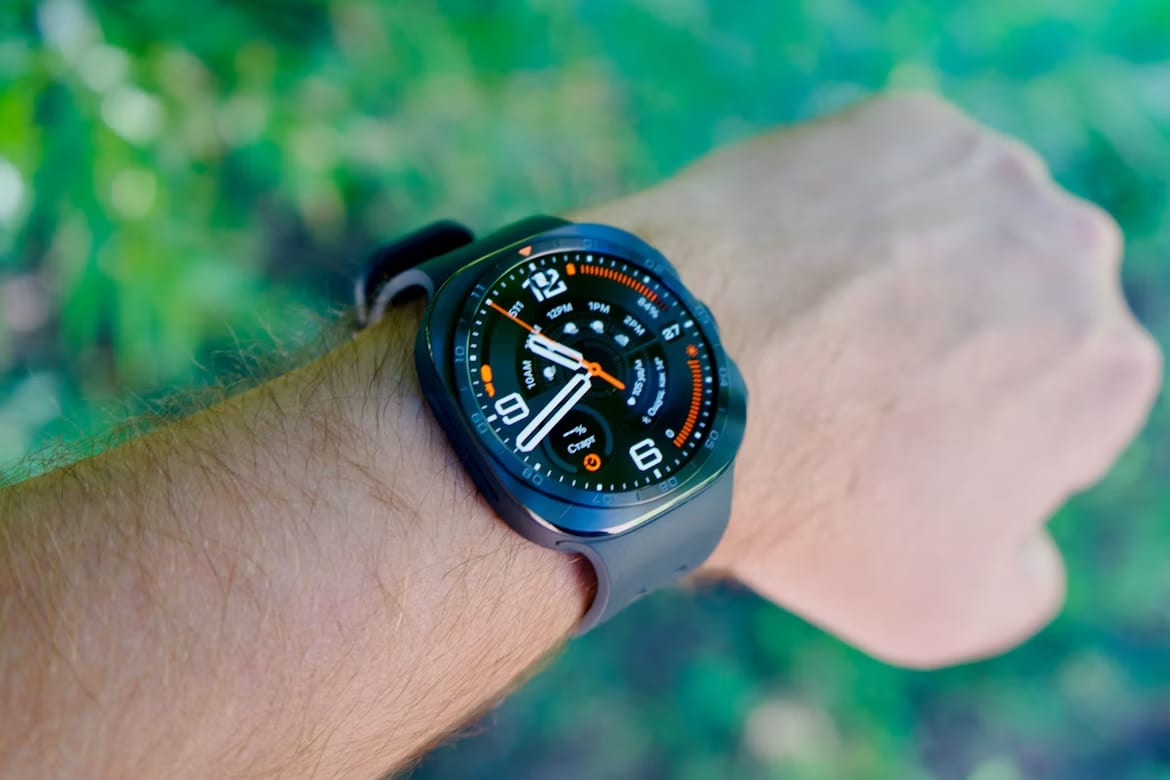
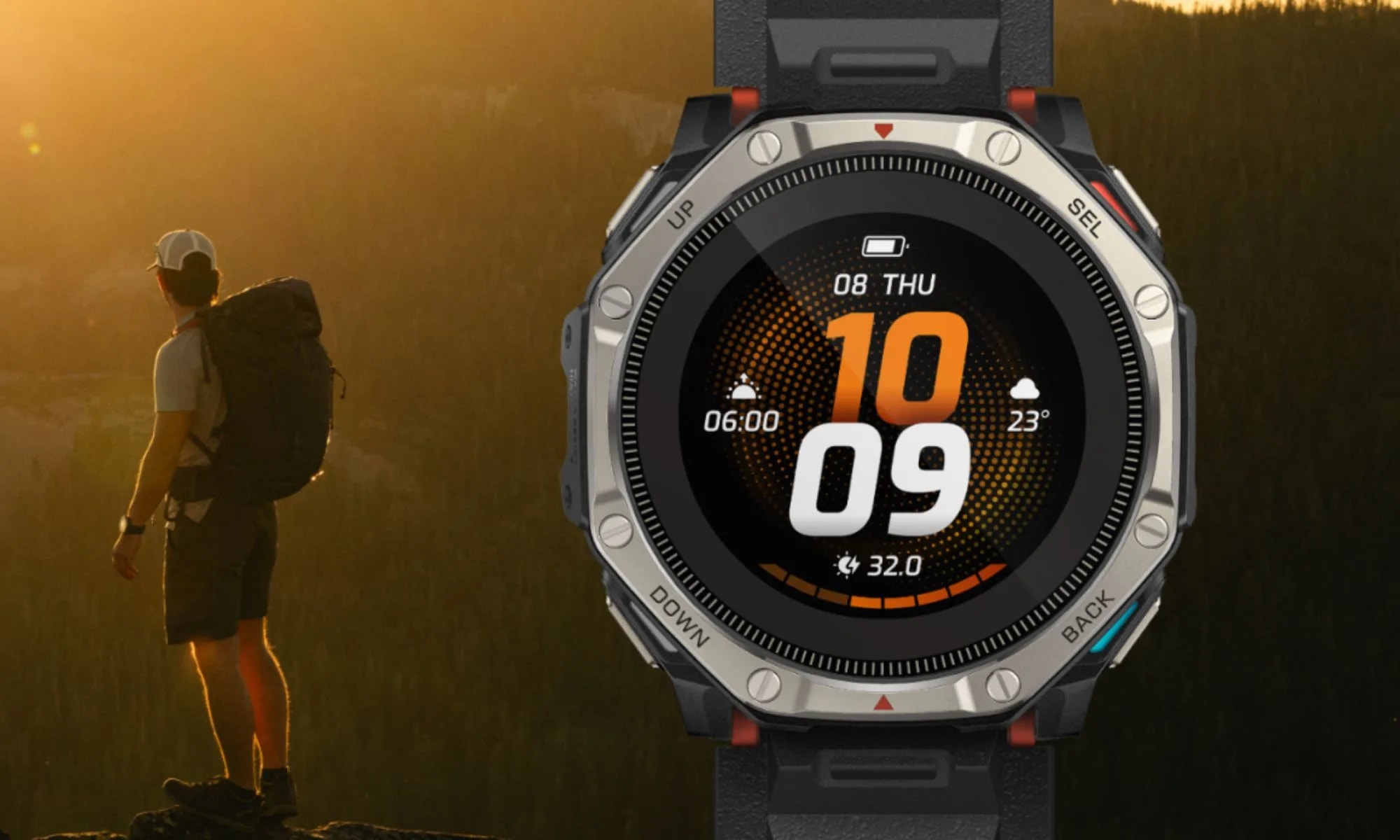

Fitness trackers are becoming increasingly sophisticated, moving from basic step counters to devices that can monitor workouts, sleep, heart rate and broader wellness trends.
PCMag’s latest fitness tracker roundup highlights several devices that stand out across different categories, from discreet wearables and smart rings to full-fledged smartwatches.
Here are eight of the notable picks from the list:
Fitbit Charge 6 — For Advanced Fitness Tracking
The Charge 6 packs many of Fitbit’s core health and fitness features into a compact wearable, including GPS, heart-rate monitoring and support for a range of workouts.
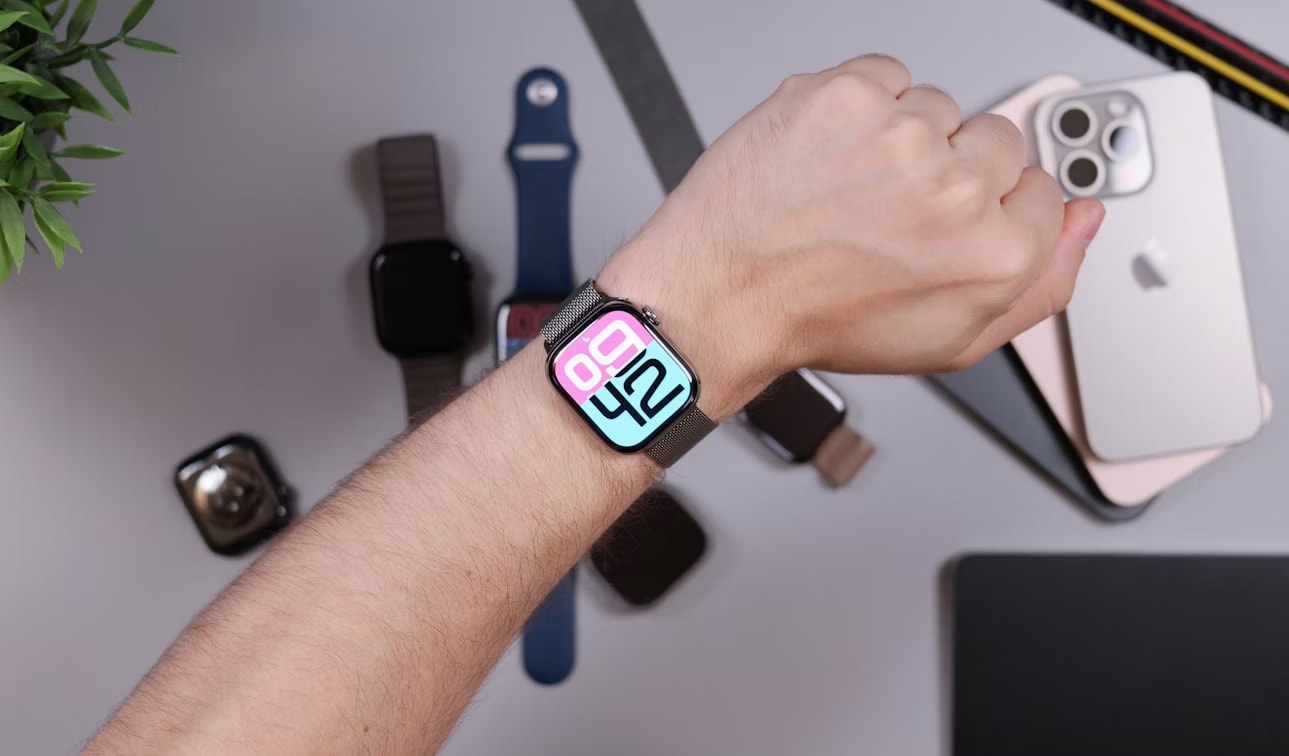
Apple Watch Series 11 — For iPhone Users
Apple’s smartwatch remains aimed at users who want fitness and health tracking alongside apps, connectivity and deeper integration with the iPhone ecosystem.
Samsung Galaxy Watch 8 — For Android Users
Samsung’s latest Galaxy Watch combines traditional smartwatch features with fitness and health monitoring, making it an option for Android users looking beyond a dedicated fitness band.
Fitbit Inspire 3 — For Beginners
The Inspire 3 takes a simpler approach, focusing on everyday activity, sleep and wellness tracking in a lightweight form factor.
Garmin Lily 2 — For a Smaller, More Stylish Wearable
Garmin’s Lily 2 targets users who want fitness and wellness features without the bulkier look associated with many traditional sports watches.
Oura Ring 5 — For Sleep and Recovery Tracking
The Oura Ring 5 takes the fitness-tracking experience away from the wrist. Its ring design makes it particularly suited to people who want continuous wellness and sleep insights in a more discreet format.
Garmin Vivoactive 5 — For Everyday Fitness
The Vivoactive 5 sits between a dedicated fitness tracker and a full smartwatch, combining workout and health features with GPS and Garmin’s broader fitness ecosystem.
Polar Pacer Pro — For Runners
Polar’s Pacer Pro is geared toward runners and users who want more detailed training data rather than just basic activity tracking.
The biggest takeaway is that there is no single fitness tracker designed for everyone. The right choice increasingly depends on whether the priority is running performance, sleep and recovery, everyday activity, smartwatch functionality or simply a smaller wearable that stays out of the way.
PCMag’s roundup reflects that shift, with the category now stretching well beyond traditional fitness bands.

Reader Discussion
Join 0 thoughts shared by the communityBe the First to Comment
No discussions started yet. Share your feedback or insights with the TechCrest community!