
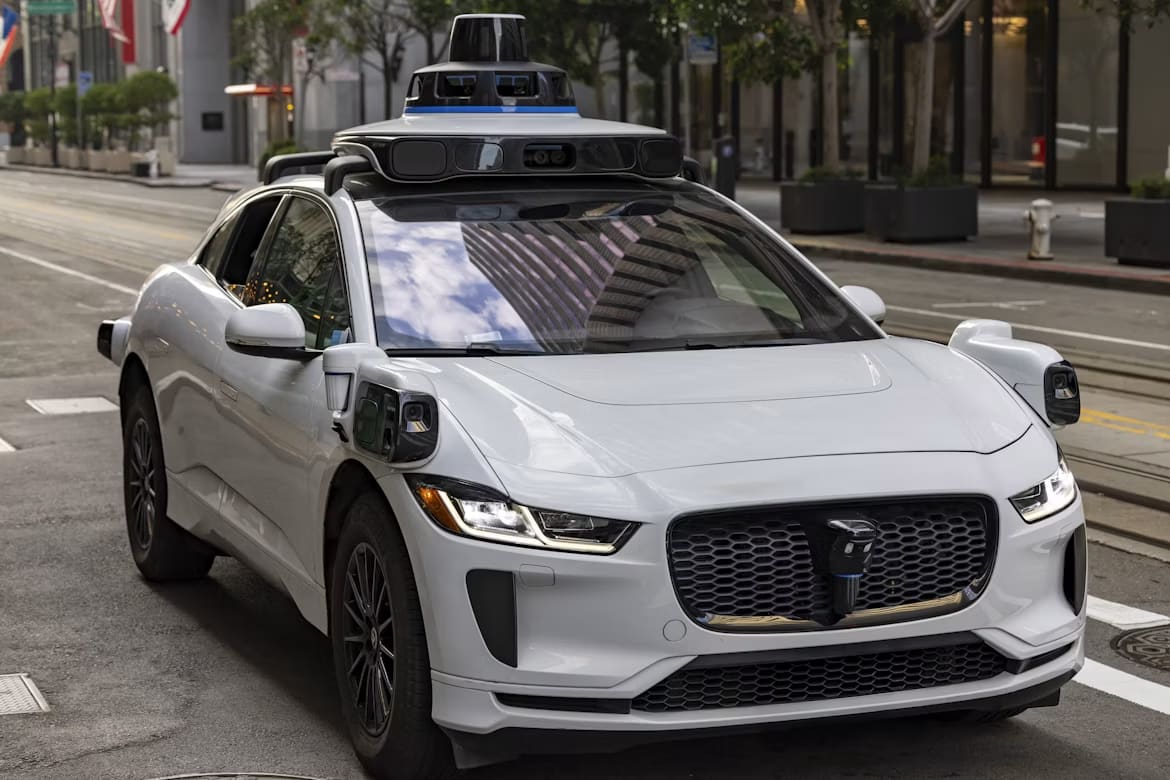
Robotaxis are being promoted as a safer alternative to human-driven cars, but recent incidents involving Waymo, Zoox and Tesla show that autonomous driving technology still has some important limitations.
Safety data has generally been encouraging. Research from the Insurance Institute for Highway Safety found that Waymo vehicles were involved in significantly fewer crashes than comparable human-driven vehicles last year. Waymo has also reported a substantial reduction in crashes resulting in serious injuries.
However, those figures are still being evaluated as autonomous vehicles move from controlled testing into wider public use.
A September report based on OSHA data highlighted another side of the technology. Test drivers working with Waymo and Amazon-owned Zoox reportedly suffered injuries including sprains and whiplash, with sudden braking among the incidents cited. The available data is incomplete because of the limits of OSHA's reporting requirements, meaning it does not provide a complete picture of safety during autonomous vehicle development.
The challenges aren't limited to testing environments.
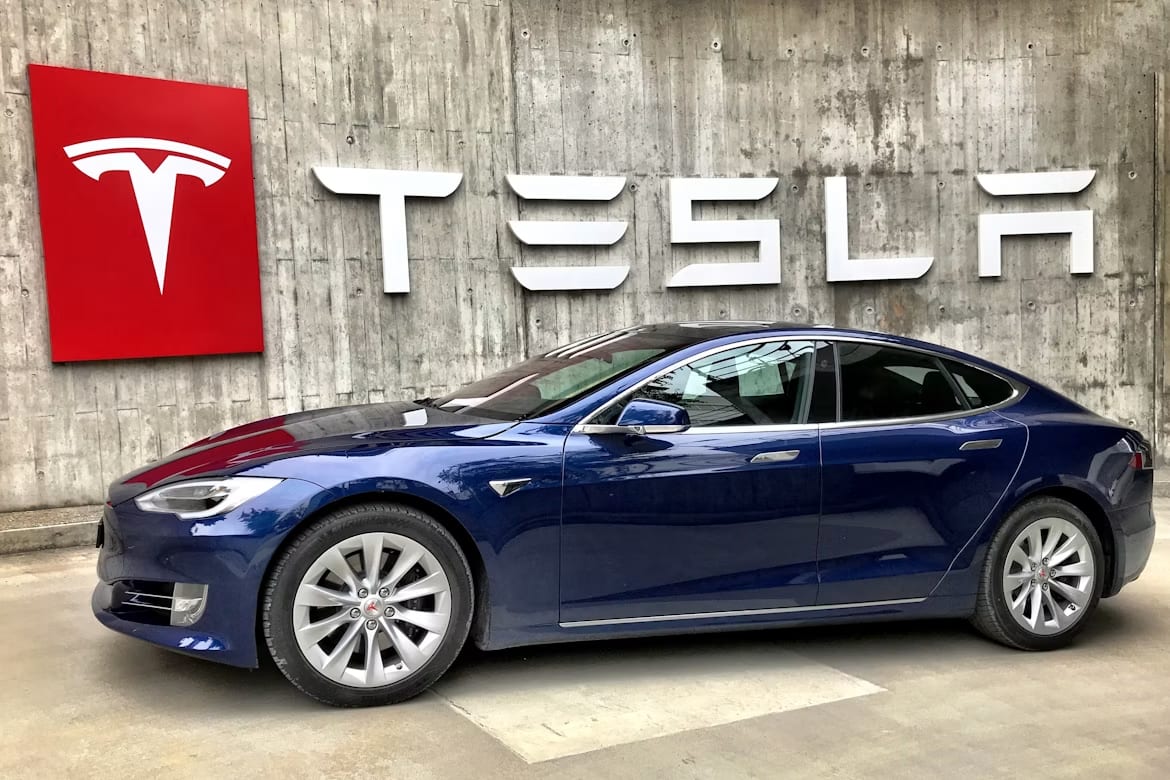
Tesla's robotaxi rollout in Austin has faced crashes, while autonomous vehicles from various companies have been involved in incidents involving traffic barriers, unexpected lane movements, traffic signals and emergency situations.
Where robotaxis can struggle
Autonomous vehicles can have particular difficulty when normal road conditions change unexpectedly.
Zoox recalled more than 100 vehicles after a software problem affected their ability to recognize smoke. Waymo has also dealt with recalls involving flooded roads and vehicles entering areas that were closed because of construction or other hazards.
Another recurring concern is sudden braking.
Autonomous vehicles can react to objects they interpret as potential obstacles even when those objects aren't actually in the vehicle's path. Researchers have found that these so-called phantom obstacles can trigger abrupt braking, creating a potentially uncomfortable or dangerous situation for passengers and surrounding traffic.
Software failures can create another problem. If an autonomous driving system shuts down unexpectedly, the vehicle may come to a sudden stop in an active traffic lane rather than safely moving to the side of the road.
Large-scale disruptions are possible, too. A system failure in Wuhan, China, reportedly caused around 100 robotaxis to stop on the road at the same time, contributing to significant congestion. Similar disruptions have been reported in several U.S. cities.
None of this means passengers should automatically avoid robotaxis. But autonomous driving remains a developing technology, and passengers should not assume that a vehicle capable of driving itself is incapable of making mistakes.
For now, the safest approach is to remain alert during the ride, pay attention to unusual vehicle behavior and be prepared to follow the robotaxi company's safety instructions if something goes wrong.
Reader Discussion
Join 0 thoughts shared by the communityBe the First to Comment
No discussions started yet. Share your feedback or insights with the TechCrest community!