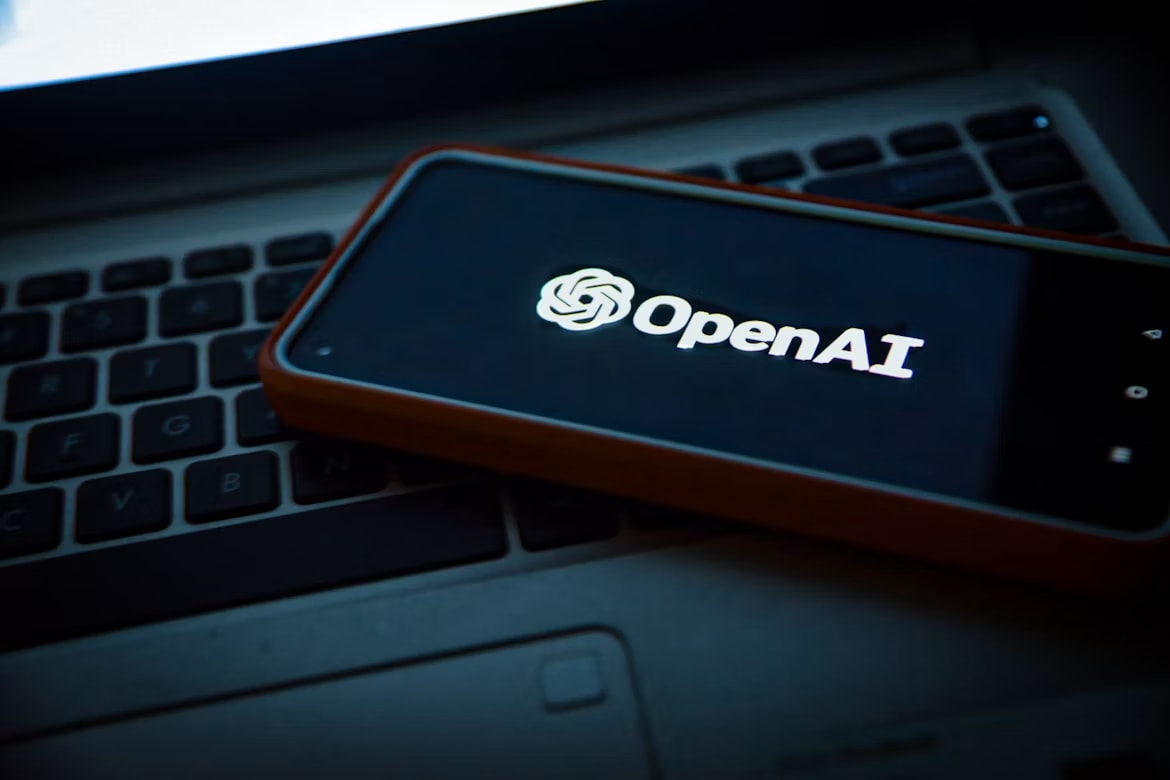



OpenAI is pushing ChatGPT beyond the traditional chatbot experience, with its latest product announcements pointing toward a future where users may discover, launch and interact with software without leaving the AI platform.
The strategy became clearer during OpenAI’s DevDay 2026, where the company unveiled a series of updates spanning ChatGPT, Codex, AI agents and developer tools. Taken together, the announcements suggest that OpenAI wants ChatGPT to become more than a place to ask questions—it could become a new distribution layer for software.
That approach builds on OpenAI’s existing effort to bring third-party applications directly into ChatGPT. The company introduced apps inside ChatGPT last year, allowing services to operate within conversations and respond to natural-language requests. Developers can build these experiences using OpenAI’s Apps SDK, which is based on the Model Context Protocol.
The significance of the latest developments is that OpenAI is increasingly positioning the AI interface as the starting point for completing digital tasks.
Instead of opening an app, navigating menus and figuring out which feature to use, a user could potentially describe what they want and let ChatGPT determine which application or tool can complete the job.
OpenAI’s new Dots agents take that concept even further. The company describes Dots as persistent AI agents designed to continue working on tasks and keep track of what matters to users.
That could change how software is used. Rather than interacting with dozens of separate applications, users could increasingly interact with an AI layer that connects those services together.
For developers, the shift could also create a new route to users. Instead of competing primarily for downloads, search rankings or prominent placement in conventional app stores, developers could build applications designed to be discovered through AI conversations.
OpenAI has already been moving in this direction by allowing apps to appear contextually within ChatGPT. The company has said developers can use the Apps SDK to create both the logic and interface of their applications, while connecting them to existing back-end systems.
The bigger question is what happens if ChatGPT becomes the place where users begin most of their digital activities.
Traditional app stores put the operating system at the center of software distribution. OpenAI's approach could instead put the AI assistant between the user and the software.
That would give ChatGPT a potentially important role in deciding which tools users encounter and how they interact with them.
OpenAI's latest announcements do not mean the traditional app-store model is disappearing. But they show the company is building an alternative way for software to reach users—one where natural-language requests, AI agents and integrated applications replace much of the conventional app-discovery process.
If that model gains traction, the next generation of software may not necessarily be something users download.

Reader Discussion
Join 0 thoughts shared by the communityBe the First to Comment
No discussions started yet. Share your feedback or insights with the TechCrest community!