
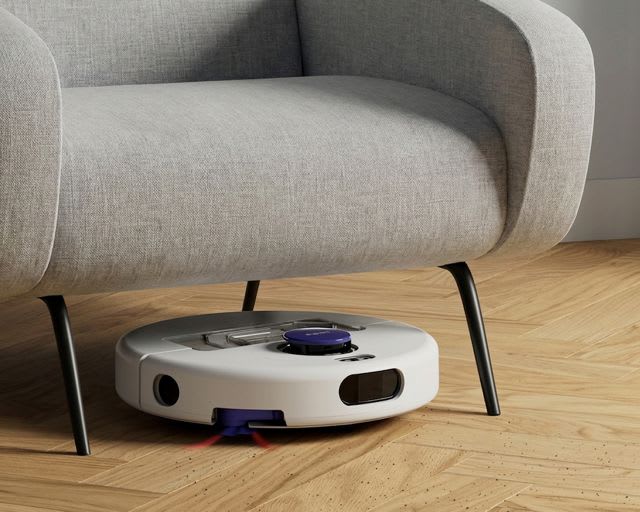


Dyson is taking another shot at making robot vacuums more effective in the parts of the home they traditionally struggle to reach.
The company has introduced two new autonomous cleaners, the Dyson R1 Nurovi Dry and Dyson R2 Nurovi Wash+Dry, with a focus on edge cleaning, corner coverage, fine-dust pickup and automated floor care. Dyson announced the machines on September 3, positioning them as a new generation of its robot cleaning technology.
The R1 Nurovi is designed for dry cleaning across hard floors and carpets, while the R2 adds floor washing to the same core cleaning platform. Both models use Dyson's new Twin-capture system, which takes a two-stage approach to debris.
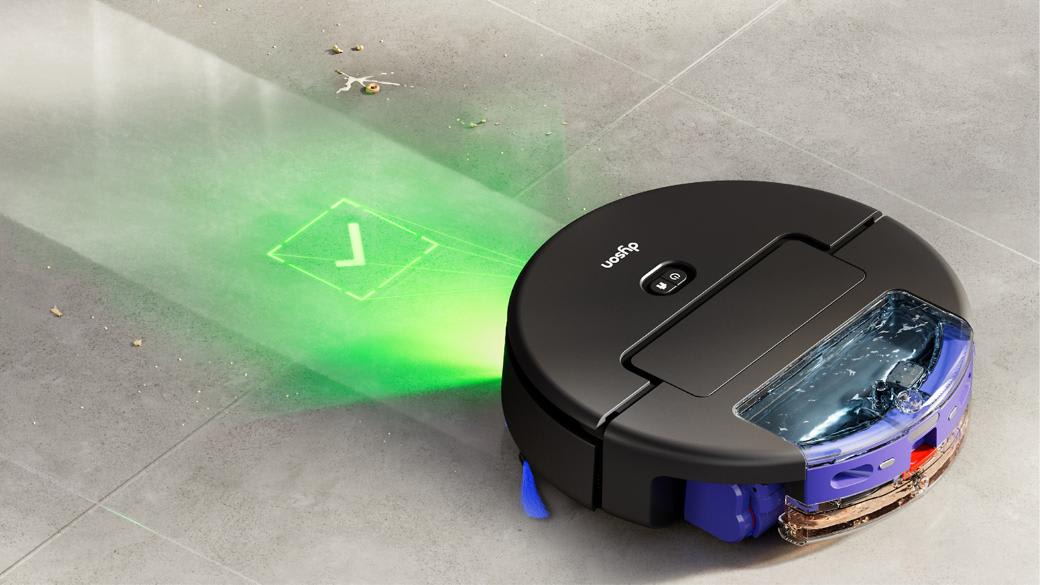
Instead of relying entirely on suction, the system uses a brush bar to mechanically sweep larger particles into the machine while the vacuum motor concentrates on capturing finer dust. Dyson says the approach is designed to maintain consistent pickup across different types of debris.
Dyson is also targeting one of the biggest weaknesses of conventional robot vacuums: edges and corners.
The R1 and R2 feature extending side sweepers designed to move closer to walls and into corners. The sweepers are also engineered to reduce hair wrapping, an issue that can be particularly frustrating for households with long hair or pets.
The R2 Nurovi Wash+Dry takes the corner-cleaning concept further with new Reuleaux triangle wash pads. The unusual shape maintains a constant width while allowing the pad's points to extend toward walls and corners. Dyson combines this with an eccentric movement pattern to increase contact with areas that circular mop pads can leave behind.
Both robots use acoustic dust sensing and floor-detection technology to identify changing conditions as they move through a home. The system can detect dust levels and floor types in real time and adjust cleaning behavior accordingly.
The robots are also designed to reduce the amount of maintenance required from owners. Their bagless docking station uses eight cyclones to automatically empty collected dry debris after cleaning, with Dyson saying the system can store up to 90 days of waste in a sealed compartment.
For the R2, the dock also handles the dirty work after mopping. Its wash pads are cleaned with 75°C heated water and then dried with 45°C hot air, a process Dyson says is intended to help prevent mold and odors from developing.
Control comes through the MyDyson app, where users can create schedules, set cleaning zones, monitor performance and customize cleaning modes. The app also provides information about cleaning coverage and activity after each run.
Dyson has not yet announced pricing for the R1 Nurovi Dry or R2 Nurovi Wash+Dry. The company says both robots will launch soon.
Reader Discussion
Join 0 thoughts shared by the communityBe the First to Comment
No discussions started yet. Share your feedback or insights with the TechCrest community!